Uncategorized
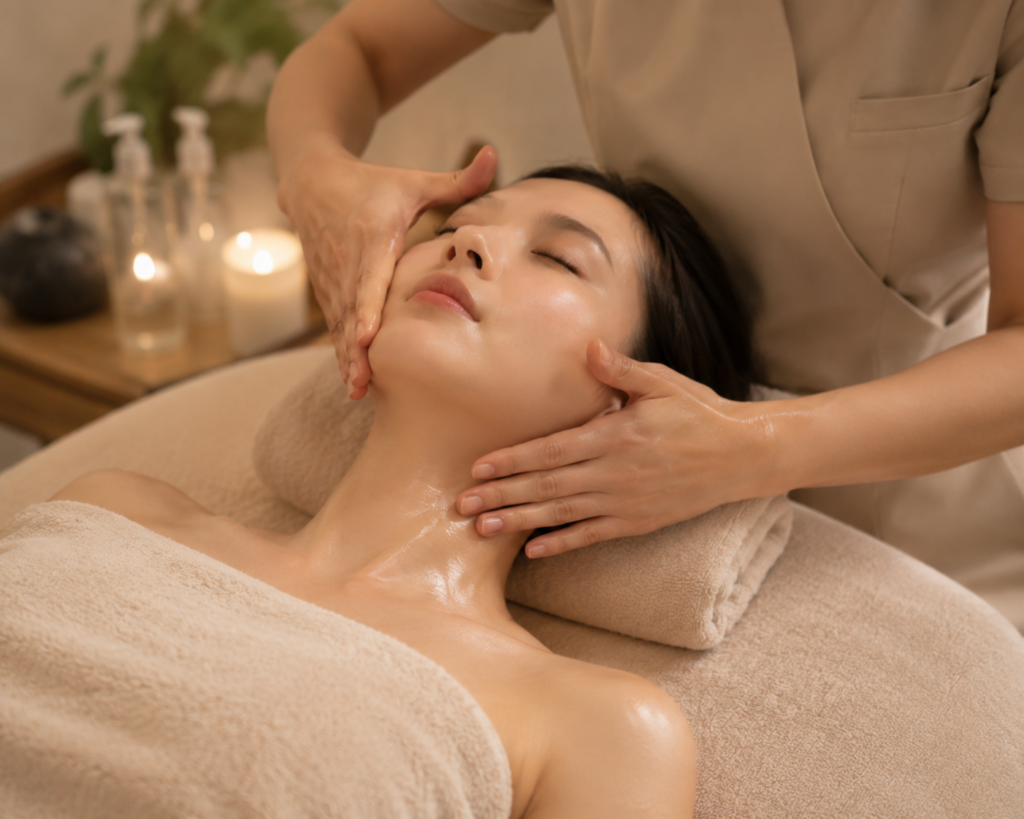
The Korean Lymphatic Massage Technique
Jun
The Korean Lymphatic Massage Technique
One of the most common concerns estheticians see today is facial puffiness, inflammation, and increased skin sensitivity.
Whether caused by aggressive treatments, environmental stressors, poor sleep, or lifestyle factors, compromised skin often benefits from a gentler approach.
This is where Korean lymphatic drainage techniques can make a significant difference.
Why Every Esthetician Should Learn Lymphatic Drainage Massage
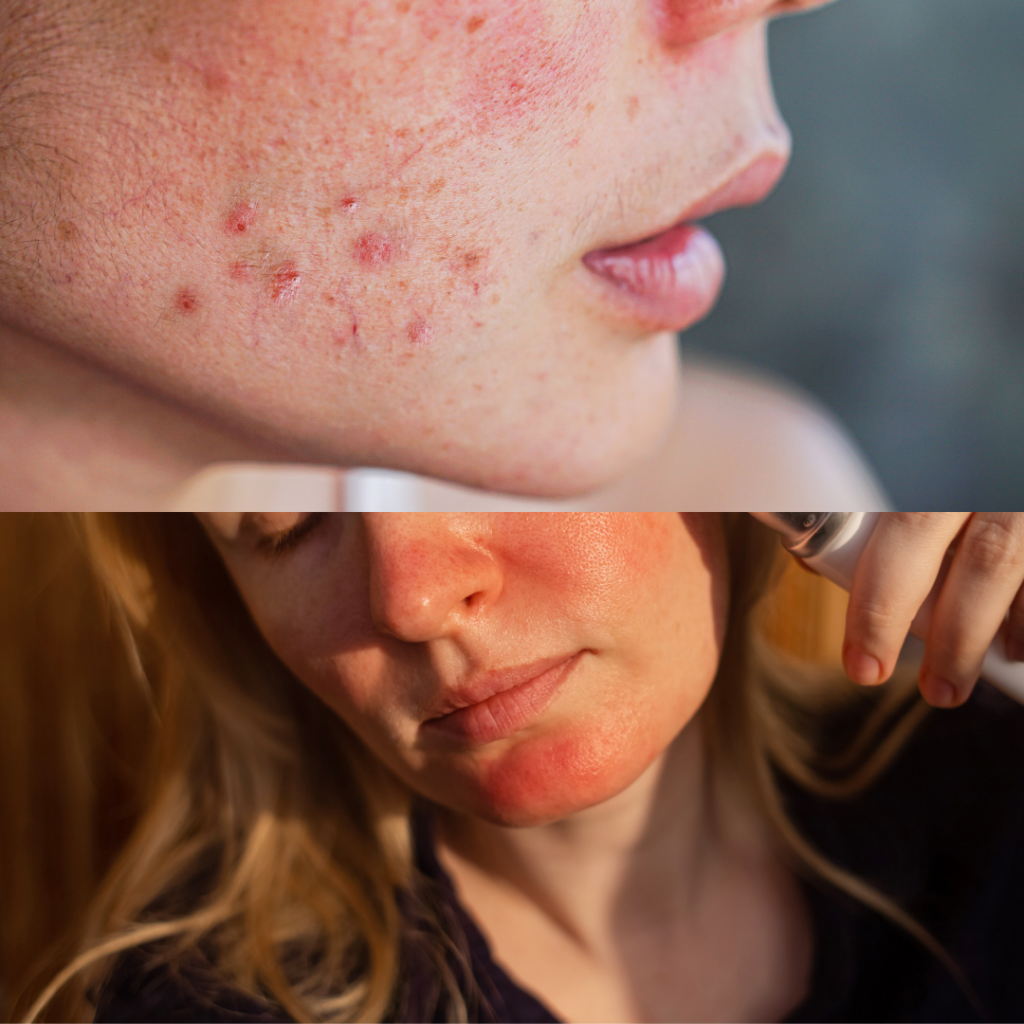
These days, more and more clients are presenting with sensitive skin.
Frequent skin treatments such as laser procedures, chemical peels, microneedling, and other advanced services can compromise the skin barrier over time. In addition, factors such as processed foods, inflammatory diets, stress, poor sleep habits, and environmental exposure can all contribute to skin sensitivity.
For clients experiencing sensitivity, acne, redness, inflammation, or mild facial swelling, lymphatic drainage massage can be an excellent treatment option. Not only is it gentle on the skin, but it also promotes relaxation and supports overall skin health.
What Is the Lymphatic System?
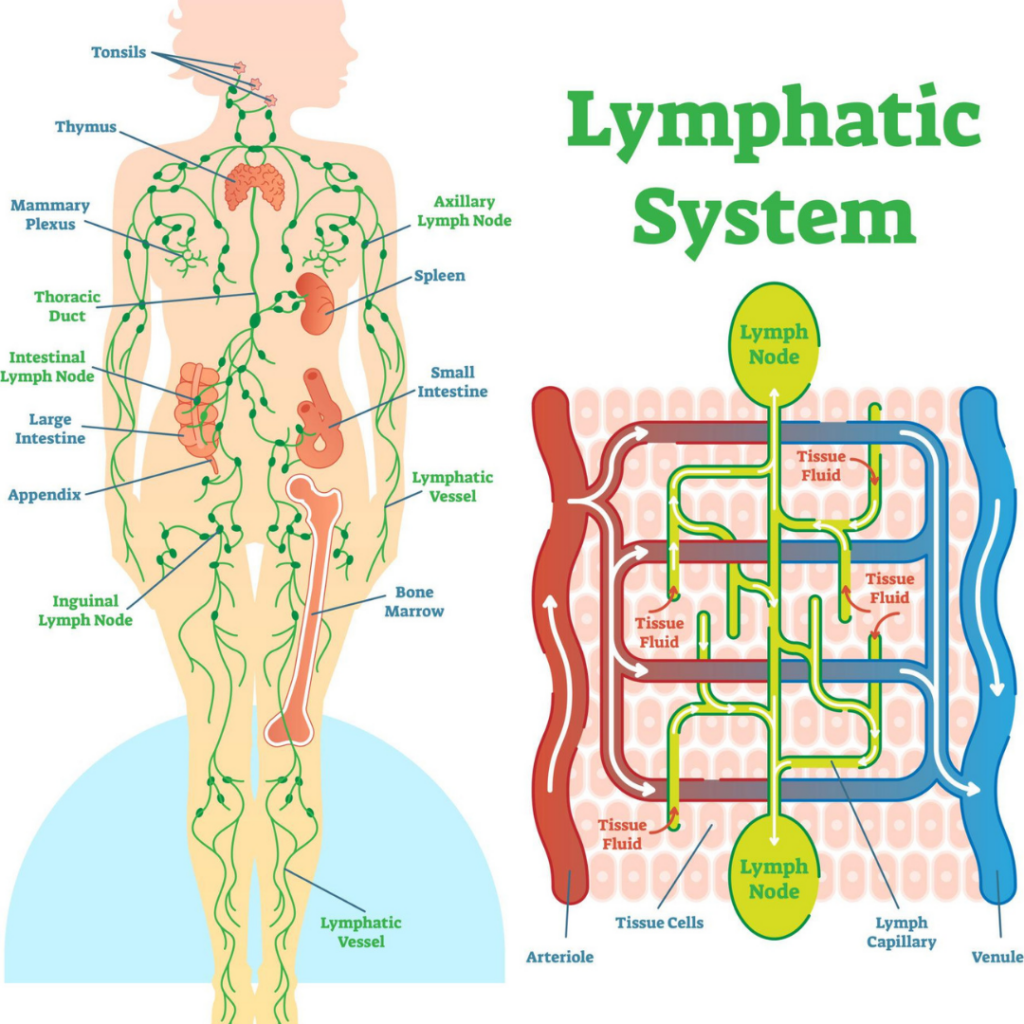
The lymphatic system is a network that runs alongside the circulatory system throughout the body.
Its primary role is to help collect and transport waste products, excess fluid, and cellular debris away from tissues. When lymph flow becomes sluggish, fluid retention and inflammation can become more noticeable.
Lymphatic drainage massage helps stimulate this natural flow, supporting detoxification and reducing fluid buildup. It can be especially beneficial for clients experiencing:
-
Facial puffiness
-
Double chin appearance caused by fluid retention
-
Swelling after treatments
-
Body cellulite concerns
-
General congestion and sluggish circulation
The Connection Between Lymphatic Flow and Skin Health
The lymphatic system plays a significant role in the body’s immune function.
Lymph fluid contains numerous immune cells that help protect the body and support tissue repair. When lymph circulation is optimized, the body is better able to manage inflammation and maintain healthy skin function.
Many estheticians find lymphatic drainage particularly beneficial for clients with:
-
Rosacea-prone skin
-
Acne-prone skin
-
Facial edema
-
Redness and inflammation
-
Post-procedure recovery support
Understanding Lymph Nodes
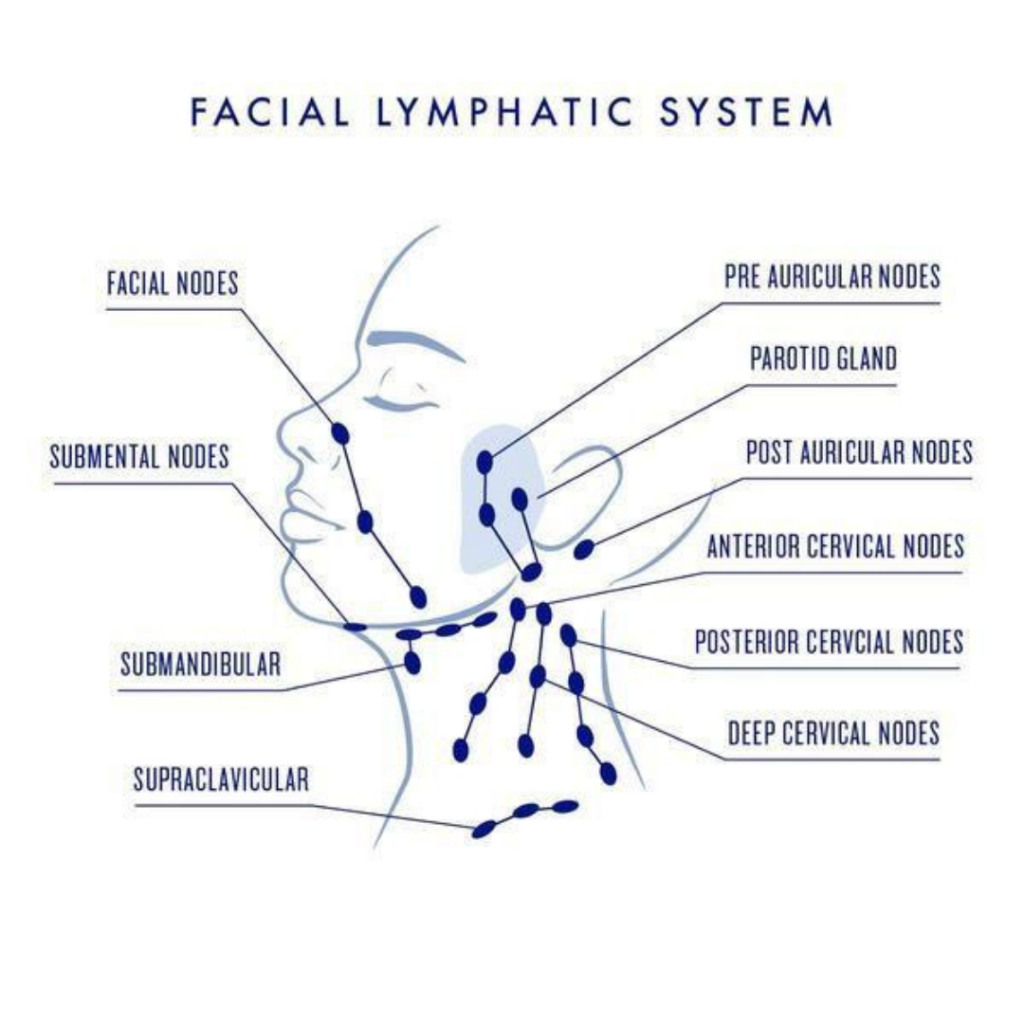
Lymph nodes are one of the most important structures within the lymphatic system.
Think of them as “rest stops” or “filter stations” that help process and cleanse lymph fluid before it continues its journey through the body.
The human body contains approximately 600 lymph nodes distributed throughout various regions. Understanding the location of major lymph nodes is essential for performing effective lymphatic drainage techniques.
When performing lymphatic massage, always be mindful of the direction of lymph flow and the location of key drainage pathways.
Key Principles of Lymphatic Drainage Massage
Successful lymphatic drainage is not about applying deep pressure.
In fact, less is often more.
1. Work From the Center Outward
Lymphatic drainage techniques typically follow the natural pathways of lymph flow, encouraging fluid movement toward the lymph nodes for proper drainage.
2. Use Feather-Light Pressure
The lymphatic vessels sit very close to the surface of the skin. Heavy pressure can actually compress these delicate vessels and reduce effectiveness.
Gentle, rhythmic movements are far more beneficial than deep massage techniques.
Learn a Korean Lymphatic Drainage Technique
In the video below, Master Esthetician Kim Mi-Kyung demonstrates a Korean lymphatic drainage technique designed to support circulation, reduce puffiness, calm inflammation, and promote healthy-looking skin.
Whether you’re treating sensitive skin, acne-prone clients, or simply looking to elevate your facial services, this technique is a valuable addition to any esthetician’s treatment room.
Healthy skin starts with healthy circulation—and lymphatic drainage is one of the gentlest ways to support both. ✨
Recommended products
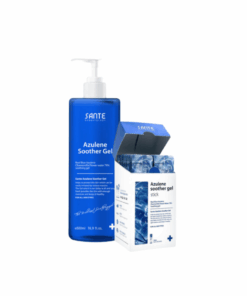

Acne & Blemish-prone skin
Dr. Sante Azulene Soother Gel Stick (5mlX20ea) / (200ml) / (500ml)
-
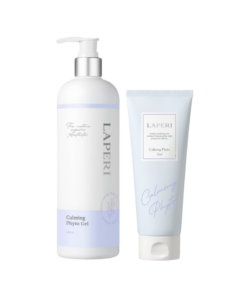
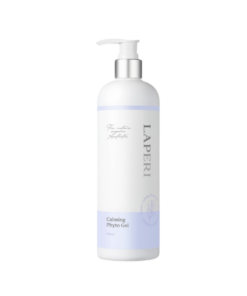
Acne & Blemish-prone skin
-